Why Is India Struggling With Urban Planning?
India is urbanising at an unprecedented pace, but the systems meant to shape that growth remain fragmented, outdated, and overstretched India’s cities are expanding faster than their institutions can manage, revealing deep cracks in governance, infrastructure, and design.
1. India is Urbanising Fast. Planning Isn’t.
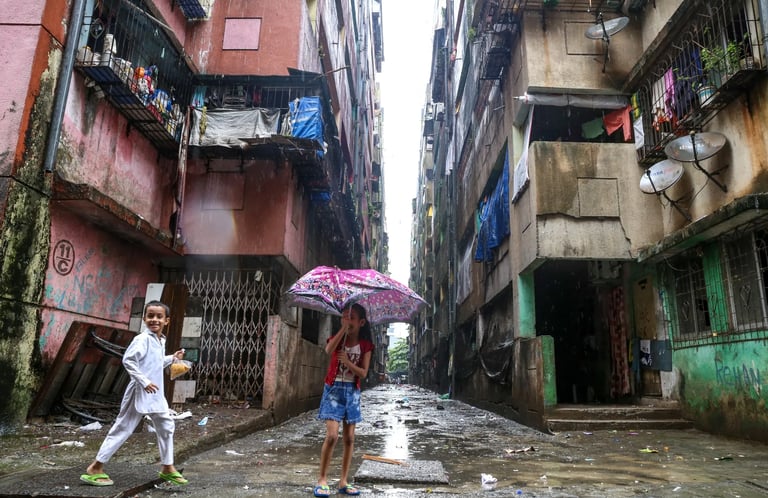
India’s urban population crossed 31% in Census 2011 and is projected to approach 40% by 2036.
In absolute numbers, that’s hundreds of millions living in cities.
Yet most cities still function with planning frameworks designed decades ago.
Urban growth = 21st century.
Urban governance = 1970s paperwork.
2. Sprawl Without Structure
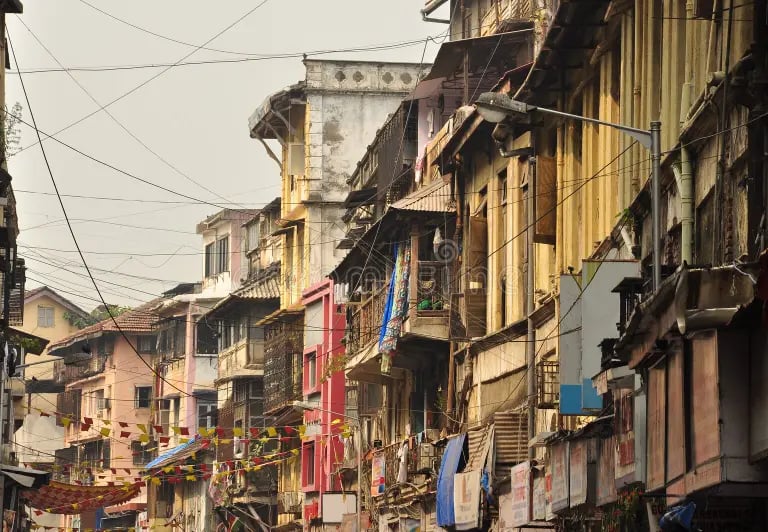
Cities like Delhi, Mumbai, Bengaluru have expanded horizontally at alarming rates.
What’s missing?
Integrated transport corridors
Stormwater systems
Zoning enforcement
Public space ratios
Urban form without urban logic.
3. Smart Cities vs Ground Reality
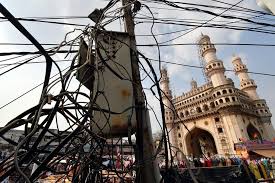
The Smart Cities Mission pushed tech-driven urban upgrades.
But:
Many projects focus on small central zones.
Broader citywide reform remains slow.
Surveillance and command centres don’t fix sewage pipes.
Urban design is physical and social. Not just digital dashboards.
4. Car-Centric Design Disaster
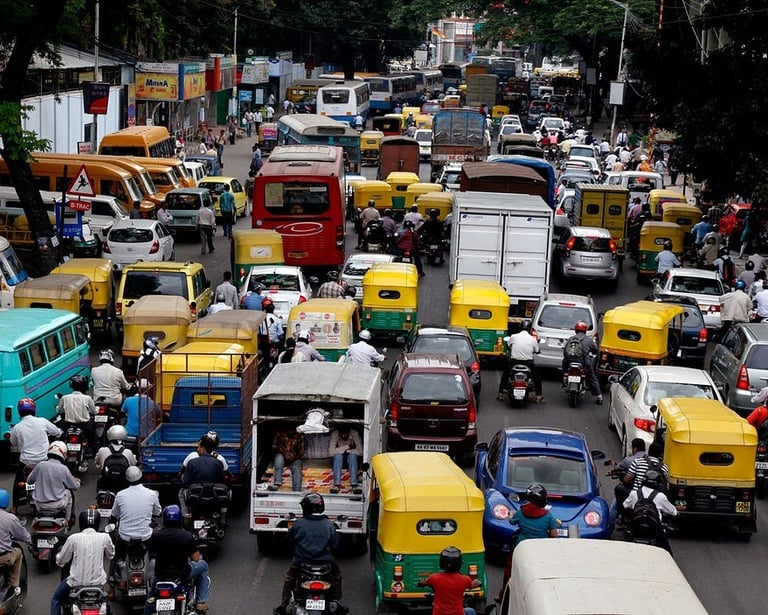
Indian cities are designed increasingly around private vehicles, even though a large share of the population walks, or uses public transport, which results in:
Congestion
Air pollution
Road fatalities
Noise pollution
Erasure of pedestrian infrastructure.
Public transport exists, but integration is poor.
Metro lines shine in isolation while feeder systems collapse around them.
India is not suffering from urbanisation. It is suffering from unmanaged urbanisation. The crisis is institutional, infrastructural, and conceptual. Cities are treated as Real estate opportunities, Traffic problems or Vote banks. But rarely as living ecosystems.
The infrastructure of India’s cities is under severe stress, with depleting groundwater, pollution, transportation problems, and inadequate sewerage and sanitation systems. It is clear that the future of India depends on prioritising urban design and planning to address rapid urbanisation and create livable ecosystems.
About us
The writer is an IIT graduate in Mechanical Engineering who enjoys writing and exploring ideas across technology, business, society, and the everyday world.